
Cost & ownership guide • Richmond, VA • 2026
How much does an underground dog fence cost?
Complete professional installations in Richmond and Central Virginia start at $1,399. That covers boundary design, buried wire, the transmitter, the collar, and training. This guide explains what moves the number from there, and how the math compares with DIY kits, subscription systems, and physical fencing.
What $1,399 includes
The starting price buys a complete, working system, not a base unit with add-ons waiting in the truck. Every installation includes:
- Boundary design planned around your specific property
- Professionally buried boundary wire, with sealed hardscape crossings
- Transmitter installation with surge protection
- A receiver collar fitted to your dog
- Training flags, your dog's first training session, all the training materials, and free training help for a year
- A clear final number before any work begins
Larger properties, extra dogs, multiple hardscape crossings, and exclusion zones move the price above the starting point. The factors below explain how, and you’ll always have your exact number in writing first.
A $150 discount off installation is in place right now.
What moves the number
Five factors set your underground dog fence cost.
No two boundaries are identical, but electric dog fence cost comes down to the same five inputs on every quote. Knowing them ahead of time makes the estimate conversation quick, usually about two minutes.
Property size, perimeter & cost per acre
This is the biggest driver. Price follows the length of the boundary loop, so more linear feet means more wire and more burial labor. Invisible fence cost per acre still falls as a property grows, because buried wire scales more gently than physical fencing: a half-acre and a two-acre install land much closer in price than the equivalent wood or aluminum fences would.
Number of dogs
The boundary itself is shared; each dog needs their own receiver collar with settings adjusted to that dog, and their own place in the training plan. A second dog adds equipment and training time, not a second fence.
Driveway & hardscape crossings
Paved driveways, sidewalks, and patios are routine to cross: the wire runs through an expansion joint or a clean, sealed saw cut. Each crossing adds labor, so a layout with one crossing prices differently than one that crosses pavement in four places.
Exclusion zones
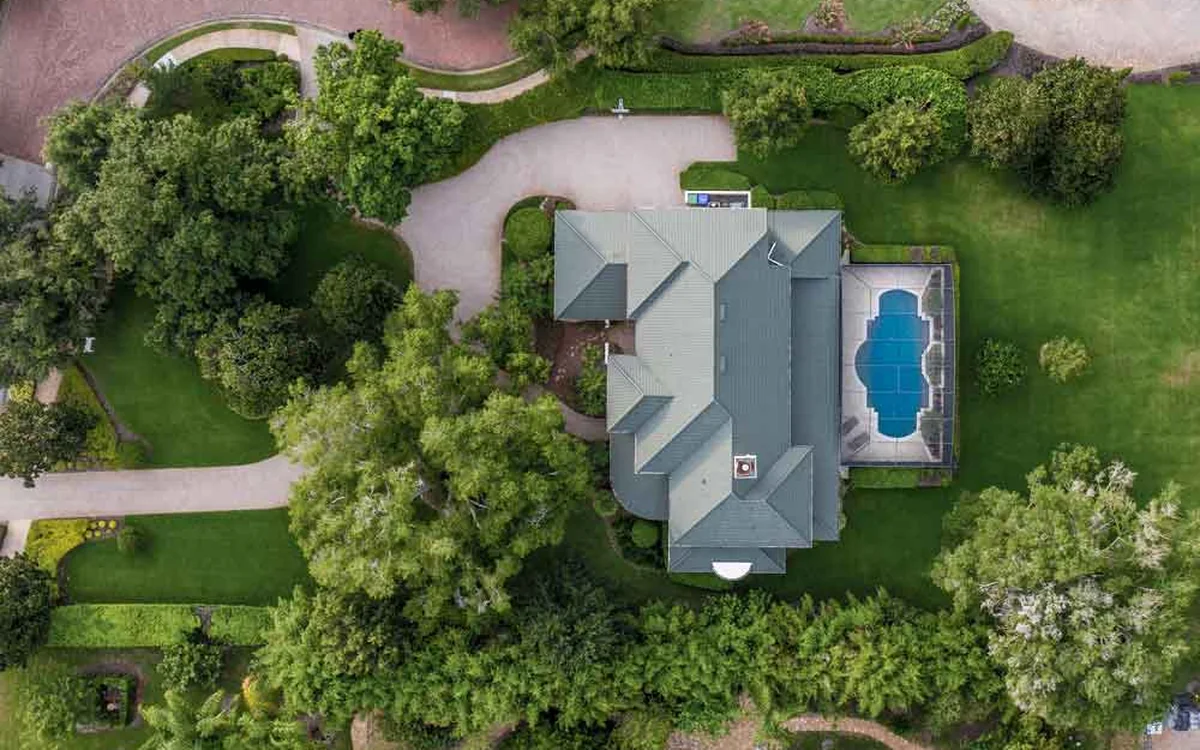
Keeping the pool deck, vegetable garden, or flower beds off-limits means interior loops inside the main boundary. Each zone adds wire, design time, and a little training. On a property with a pool, that trade is usually worth making.
Existing usable wire
If a previous owner left a buried system, we test the loop before assuming anything. Wire that still carries a clean signal can often be reused, which lowers the price meaningfully. Wire that fails testing gets replaced, because reusing a bad loop only relocates the problem.
DIY kit vs. professional installation
The DIY kit price is not the whole price.
A big-box wire kit costs a fraction of a professional installation up front. [VERIFY before launch: cite a typical current retail range for big-box underground fence kits]. For the right owner and the right yard, DIY works. The comparison worth making is what the gap in price buys.
| Compare | Professional installation | DIY kit |
|---|---|---|
| Upfront price | Complete installations from $1,399 | Kit price only [VERIFY before launch: typical retail range] |
| Boundary design | Planned around your property, utilities, and dog | You plan and measure it yourself |
| Wire burial | Machine-buried, with sealed driveway and sidewalk crossings | Hand trenching, or wire stapled at the surface |
| Dog training | First session in person, all training materials, plus free training help for a year | Printed manual and videos |
| Surge protection | Yes | Rarely included in kits |
| When the wire breaks | Professional locate-and-splice repair path | Guess-digging, or re-running the loop |
| Who answers the phone later | The local company that installed it | The manufacturer's support line |
When the DIY math works
A small, simple yard with no pavement to cross, an easygoing dog, an owner comfortable trenching a few hundred feet of wire, and the patience to run the training program consistently for about a week. If that describes you, a kit is a legitimate budget option, and we’d rather say so plainly.
Where DIY costs catch up
The gap usually closes at the first wire break. Without locating equipment, finding one means guess-digging or re-running the loop. Training missteps are the other hidden cost: a dog confused by inconsistent correction can lose trust in the boundary, and undoing that takes longer than training it right the first time.
The five-year view
Ownership costs matter more than sticker price.
Two systems with similar upfront prices can cost very different amounts by year five. Three things drive that gap, and none of them need a dollar figure attached to be clear.
Collar power: a battery that lasts years, not days
The collars we install are battery powered, and a battery lasts about two years, so five years of ownership works out to roughly two battery changes. That is a cost you can see coming, and on the systems we install it is the only recurring one.
No required subscription
Our installed underground systems have no required subscription, so the boundary you buy is yours. GPS-collar systems commonly tie core features to a monthly plan, which makes their real price the hardware plus every month of service you'll ever pay. The number worth comparing is the five-year total rather than the checkout price.
Repair, not replace
A buried-wire boundary is a repairable asset: a break gets located and spliced, a failed component gets swapped, and the rest of the system keeps its value. Consumer kits often push toward whole-kit replacement when a component fails, which resets the clock on the money you already spent.
The other quote on your desk
Physical fencing scales with every foot. Buried wire doesn’t.
A wood, vinyl, or aluminum fence is priced per linear foot of material and labor, so its cost climbs steeply with acreage. Enclosing a multi-acre Powhatan or Goochland property is routinely a five-figure project. A buried-wire boundary covers the same perimeter with wire and trenching instead of posts and panels, which is why the price gap widens as the property grows.
A physical fence is the honest answer when you need a visual barrier, need to keep other animals out, or have a dog who isn’t a fit for boundary training. The full trade-off lives in our electronic vs. physical fence comparison.
Paying for it over time is an option.
Financing is available for installations through Joist, with terms based on your credit. Two minutes of questions about your dog and your yard gets you a real number before anyone visits your property.
Cost questions
What people ask us about invisible fence pricing.
Are there recurring fees?
No subscription is required for our installed underground systems. Ongoing costs come down to a collar battery about every two years, plus any service you choose to request.
Do you offer financing?
Yes. Financing is available through Joist, and your terms and conditions depend on your credit. You’ll see the actual rate, term, and payment in writing from Joist before you commit.
How much does an underground dog fence cost?
Complete professional installations start at $1,399. The final price depends on your property size, the boundary layout, driveway or hardscape crossings, and how many dogs need receivers. You'll get a clear number before any work begins. Use the 2-minute estimate to get started.
What is included in installation?
Boundary design for your specific property, professionally buried wire, the transmitter with surge protection, a receiver collar, training flags, and your dog’s first training session with you there. You keep all the training materials, and the one-year dog containment guarantee covers free training help for a year after installation. We walk you through the system before we leave.
Want the itemized view? See pricing details, compare professional vs. DIY installation, or skip ahead to your estimate.
Ready for your real number?
Guides can only give you the starting point. Tell us about your dog and your property, and you'll have a clear, written price before any work begins.