
Comparison • Reviewed September 2026
Electronic dog fence vs. physical fence.
A buried-wire boundary and a traditional fence solve the same problem in very different ways, and neither is right for every yard. The deciding factors are usually cost by acreage, HOA rules, upkeep, failure modes, and the situations where a physical fence is the better call.
Where buried wire pulls ahead
Pet fence cost that doesn’t climb with every foot.
A physical fence is priced by the linear foot: posts, panels, gates, and labor for every foot of perimeter. With a buried boundary, the wire itself is a small share of the project, so the price grows far more slowly as the property gets bigger.
Traditional fencing: cost tracks the perimeter
Every additional foot adds material and labor. Doubling your fenced area adds hundreds of feet of posts and panels, so the cost curve climbs steeply with acreage.
Buried boundary wire: cost grows slowly
Most of an installation's price is design, equipment, and training. Those costs don't multiply with each foot. Added footage adds wire and trenching time, which is the cheapest part of the job.
The footage math
A square one-acre lot has roughly 835 feet of perimeter. Two acres, about 1,180 feet. Five acres, about 1,870. Each of those feet is a real cost in a physical fence; in a buried system it barely moves the number.
HOAs, covenants, and the invisible fence advantage.
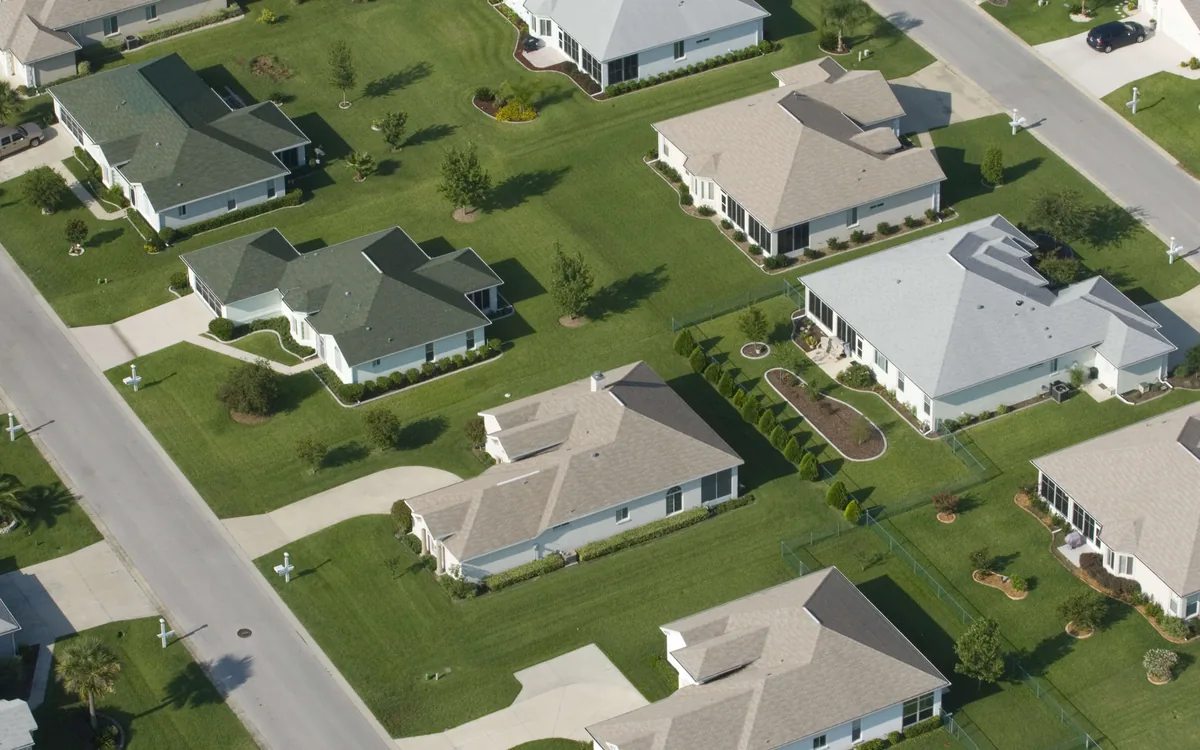
Many Richmond-area communities restrict fence height, material, or placement, and plenty of covenants prohibit front-yard fencing entirely. A buried boundary is invisible by definition. There is no structure to submit for architectural review, no sightline for a neighbor to object to, and the front yard can be included in the boundary even where a fence never could be. Your views of the yard, the trees, and the street stay as they are.
Complete underground installations start at $1,399. Physical fencing quotes vary widely by material and footage. If you’re weighing both, get a local fencing quote for your own perimeter and compare the two numbers directly.
The honest column
What a traditional fence does that buried wire can’t.
A comparison you can trust has to say this part out loud. A physical fence does three things no electronic boundary can, and if any one of them is essential for your household, that may settle the question.
It's a barrier you can see and touch
A physical fence stops a dog with a structure rather than with training. Neighbors and passersby can see it, and it works on day one, with no learning period and no collar to power at all.
It keeps other animals out
An electronic boundary only affects the dog wearing the receiver collar. It does nothing to stop stray dogs, deer, or other wildlife from entering your yard. A physical fence works in both directions.
It works during a power outage
A transmitter runs on household power. Without a battery backup, the boundary is inactive while the power is out. A physical fence stands whether the power is on or not.
Upkeep and how each one fails
Dog fence maintenance and failure modes.
Every containment approach has a way it fails. Knowing the weak points of each matters more than any sales pitch.
Traditional fence
Maintenance
Wood rots and needs sealing or staining; posts lean and heave; gate hardware wears; storms drop limbs on panels. Vinyl and aluminum lower the workload but not the storm risk. Budget for ongoing repairs across the life of the fence.
How it fails
Dogs dig under, climb or jump over, and slip through gates left open. The most common failure of all is a human one. Many dogs never test a fence; determined diggers and athletic jumpers defeat them regularly.
Underground dog fence
Maintenance
Low, but not zero: the receiver collar needs a new battery every couple of years, and buried wire can be cut by aeration, edging, digging, or utility work. Wire breaks are routine, locatable repairs rather than system replacements.
How it fails
The system depends on training and on the collar being worn and powered. A dog in full chase can push through the boundary if training has lapsed. That is why training is part of our installation rather than an add-on, and why we evaluate whether the system fits your dog.
Side by side
The full electronic dog fence comparison, row by row.
| Compare | Underground electronic boundary | Physical fence |
|---|---|---|
| Typical initial cost | From $1,399 installed | Priced per linear foot, and varies by material |
| Cost on large acreage | Grows slowly with footage | Grows steeply with footage |
| HOA & covenant compatibility | Invisible, so nothing to approve | Subject to height, material & placement rules |
| Front-yard coverage | Yes, even where covenants ban fences | Often prohibited by covenants |
| Sightlines & views | Unchanged | Interrupted by the fence line |
| Visual, physical barrier | —No | Yes |
| Keeps other animals out | —No | Yes |
| Works during a power outage | Only with a battery backup | Yes |
| Training required | Yes, included with our installation | No |
| Common failure modes | Wire breaks; lapsed training or unworn collar | Digging under, jumping over, open gates |
| Ongoing maintenance | A collar battery every ~2 years; occasional wire repair | Sealing, rot, posts, gates, storm damage |
| Satisfies pool-barrier codes | —No | Yes, when built to code |
Reasons to build a fence
When a physical fence is the right call.
If any of these describes your situation, our recommendation is a traditional fence, or a fence plus a buried boundary, and we’ll tell you so on the phone.
Code requires a physical barrier
Swimming-pool barrier codes require a physical enclosure, which an electronic boundary does not satisfy. Check your locality's requirements before deciding.
You need to keep animals out
If stray dogs, deer, or other wildlife entering the yard is the problem you're solving, only a physical fence addresses it. An electronic boundary works in one direction.
Your dog isn't a good candidate
Some dogs shouldn't wear a receiver collar for medical or temperament reasons, and containment with an electronic system depends on your dog and your property. We evaluate every case, and sometimes the answer is no.
You want zero training dependence
A physical fence works the day it's built, with no learning period. If a training window doesn't fit your household right now, that's a legitimate reason to choose the structure.
Plenty of properties end up with both: a physical fence where code or privacy demands it, and a buried boundary to protect gardens or cover ground the fence can’t. Still weighing options? See underground vs. GPS fences or the full comparison hub.
Weighing a fence against a buried boundary?
Tell us about your dog, your property, and what the fence needs to do. We'll give you a straight comparison for your yard, even if the answer is a fencing contractor.