
Compare • Underground wire vs. GPS • Reviewed September 2026
GPS dog fence vs. underground dog fence.
Both keep a dog inside a boundary without building a physical fence, but they draw that boundary in completely different ways. Which one fits depends mostly on your property, and on some properties the answer is GPS.
The core difference
How each dog fence draws the line.
In-ground dog fence: a fixed line
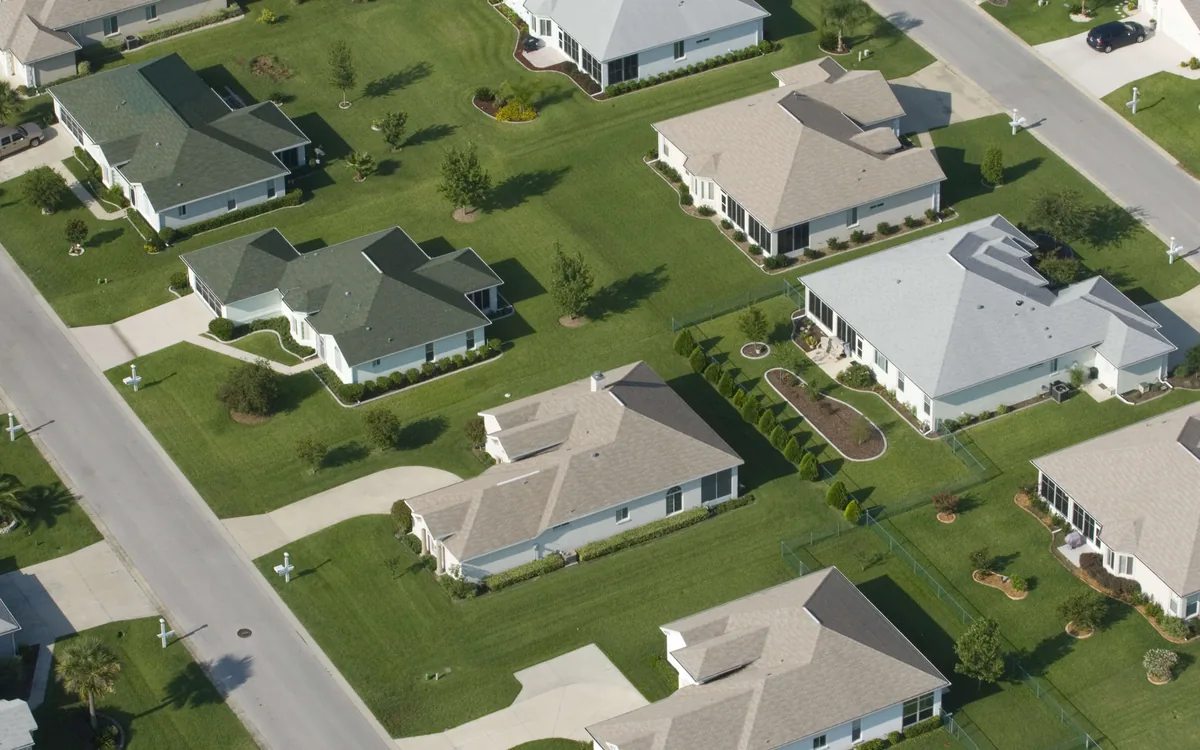
We bury a loop of wire around your property, and the collar responds to the signal from that wire. The boundary is physical and fixed: accurate to about a foot, in the same place every day, in any weather. It can trace complex shapes and carve out interior exclusion zones around a pool or garden on the same system.
GPS dog fence: a computed position
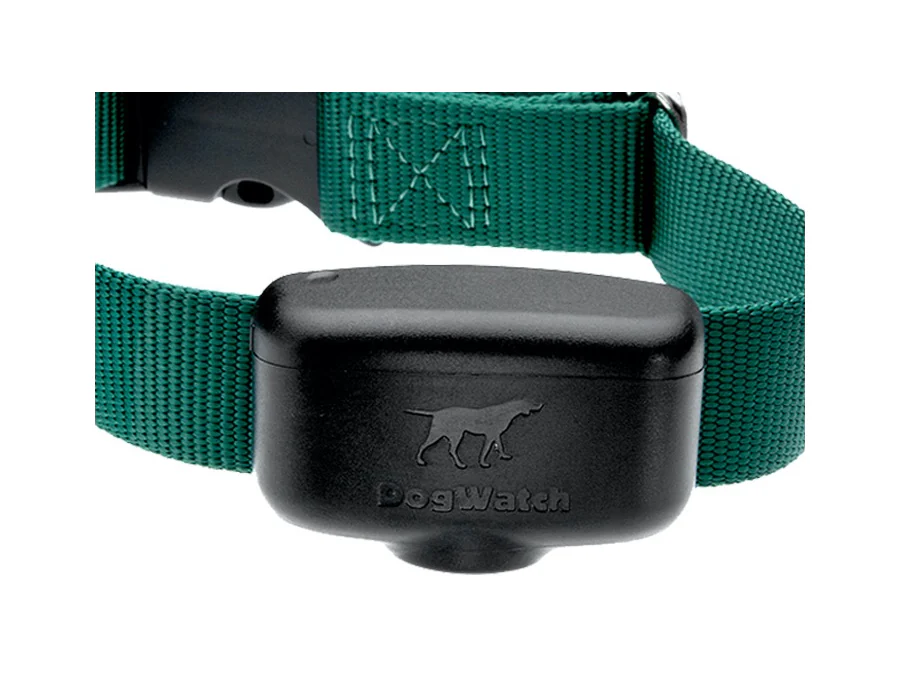
A GPS collar, often sold as a wireless dog fence, compares the dog’s satellite-computed position against a boundary saved in an app, with no wire anywhere. Setup is fast and changes are easy. But the boundary is only as steady as the position fix: GPS drift is normal, and it gets worse near houses, under tree cover, and in poor weather, which is exactly where the edges of most suburban yards run.
Trade-offs, plainly
Where each dog fence is the better tool.
An underground dog fence fits best when…
- The boundary runs near a street, sidewalk, or neighboring yard, where a few feet of drift matters.
- Your lot is under a few acres, or has a complex shape the boundary needs to trace exactly.
- You want interior exclusion zones on the same system, around a pool deck or garden beds.
- Trees or the house itself sit close to the line, where satellite reception is weakest.
- You'd rather not carry a subscription: our installed underground systems don't require one.
- You want the first training session run in person, with a professional you can call back out free for a year, rather than a do-it-yourself app program.
A wireless dog fence can be right when…
- You have very large, open rural acreage where trenching a full perimeter is impractical. That is the classic case for a geofence dog collar.
- The boundary sits far from buildings and heavy tree cover, where the position fix is steadiest.
- You expect to change or move the boundary often, as with leased land, rotating pasture, or a temporary setup.
- You travel with your dog and want the boundary to come along.
- A few feet of day-to-day variation in the line is acceptable on your property.
If that describes your property, we’ll say so before we quote anything.
Row by row
Boundary wire vs. geofence dog collar, side by side.
| Compare | Underground wire (professional) | GPS collar |
|---|---|---|
| How the boundary is set | Buried wire loop, fixed in the ground | Satellite position compared to a saved map |
| Boundary precision | Consistent to about a foot, every day | Subject to GPS drift: commonly several feet, more near buildings and tree cover |
| Small or complex yards | Routine, including interior exclusion zones (pool, garden) | Difficult, because many systems require large, simple boundaries |
| Very large rural acreage | Possible, but trenching cost grows with the perimeter | Often the more practical choice |
| Required subscription | None for our installed systems | Typically required for full features |
| Collar power | Battery powered; about 2 years per battery | Rechargeable, and GPS reception typically means more frequent charging |
| Training | First session in person, materials provided, and free training help for a year | Still required, but owner-led with the app and manual |
| Repairs and support | Local diagnosis and repair | Manufacturer support by app, phone, or mail-in |
| Upfront cost | From $1,399, professionally installed | Equipment purchase (varies by brand and retailer) |
Our honest read
GPS or underground, by property type.
A starting point, drawn from the properties we see across Central Virginia. Your dog and your yard can still change the answer.
City and suburban lots
Underground wire. Near streets, sidewalks, and neighbors, a line that can wander several feet is the wrong tool. Buried wire holds the same line every day.
Wooded lots
Underground wire. Satellite reception degrades under heavy canopy, which is where you most need the boundary to hold. Buried wire doesn't care about tree cover.
A few acres, mostly open
Either can work. Precision needs, subscription tolerance, and whether you want exclusion zones usually decide it. We'll tell you which way we'd go on your land.
Many acres of open, rural land
GPS is often the right call. Once a perimeter runs long enough, trenching time and cost become the deciding factor. We'd rather say so than sell against it.
Still weighing it? See how the underground system works or all comparisons.

Not sure which fits your property?
Tell us the acreage, the tree cover, and the dog. We'll give you a straight answer, including 'GPS is the better tool for your land' when that's true.