
Size, breed & suitability
Does your dog’s size or breed decide whether an underground fence works?
Usually not, and the reason is duller than the question suggests. The collar’s settings are adjustable, and you adjust them yourself. A dog that needs very little and a dog that needs considerably more are the same installation with different settings, which is why weight and breed rarely decide the answer on their own.
Why the answer is usually yes
You set the correction level yourself, without paying a technician.
Every dog starts at a low setting. Through training you raise it only as far as that dog actually needs, which for a lot of dogs is not far at all. A nervous spaniel and a single-minded mastiff both begin in the same place; where they end up is the difference, and it is a dial rather than a different product.
The part worth pressing any installer on is who is allowed to turn that dial. On the systems we install, you are. You do not book a visit and you do not pay a technician to change a setting on your own dog’s collar, which matters most in the first month when small adjustments are exactly what training needs.
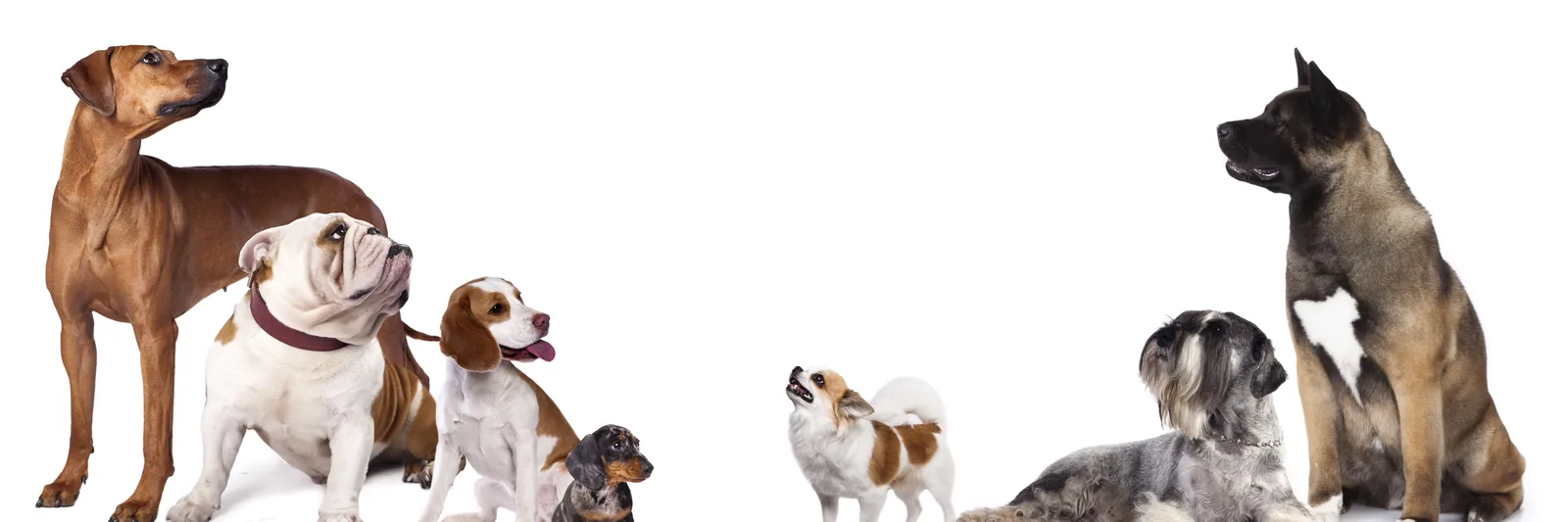
Dogs we have put on a boundary run from about eight pounds to two hundred and eighty. A three-legged dog is no obstacle, and deaf and blind dogs go on the system too. Those are illustrations rather than a promise about your dog. The range is that wide because the settings move. If your dog is deaf or blind, ask how we would run the training.
What actually gets fitted
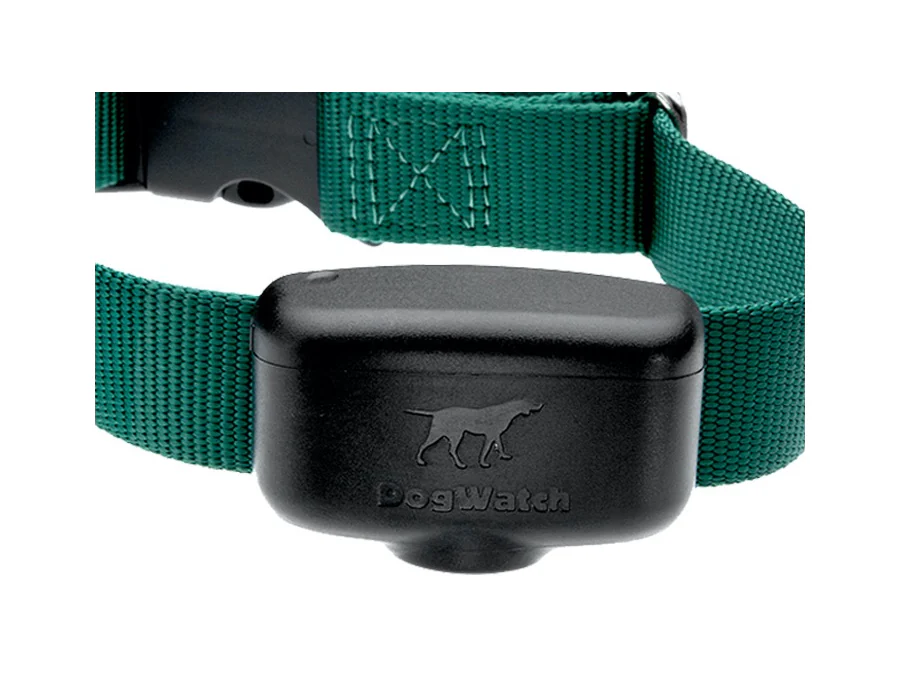
A receiver collar sized to your dog and set for your dog. It warns with a tone before anything else happens, and it runs on a battery lasting about 2 years, with a red indicator light that blinks when the battery needs replacing. There is no subscription behind it.
Several dogs share one boundary, each with their own collar and their own settings. See adding another dog.
What does vary
Size changes the fitting. Temperament changes the training.
Breed is a poor predictor on its own. Two dogs of the same breed, same weight and same age regularly need different settings and different amounts of training time. What we pay attention to is the individual dog in front of us.
Very small dogs
The work is in the fit. A collar has to sit properly against the neck to do anything at all, and on a small dog there is less room for error. Coat thickness matters for the same reason, on a dog of any size.
Very large and powerful dogs
Strength is not really the variable, since nothing here is holding the dog back physically. What changes is how much of the training the dog is paying attention to, and big dogs are often easier than their owners expect.
Single-minded dogs
A dog locked onto a scent, a squirrel or a passing jogger is the genuinely harder case, and it has little to do with size. This is where the training time goes, and where an honest conversation before installation is worth having.
The honest part
Adjustable settings are not the same as a promise.
A wide range of dogs can be trained to a boundary. That is a different sentence from guaranteeing what any individual dog does on a given afternoon, and we will not write the second one. A dog with enough drive can take the correction and keep going. Training is what changes that, and training is work you do rather than equipment we install.
Which is why the one-year dog containment guarantee is a training-support guarantee: if you run into trouble with training in the first year after installation, we come back out and work on it with you at no charge. It exists because the first year is when settings and habits get sorted out, and because a dog that is struggling is usually a training problem rather than an equipment one.
If we think your dog is a poor fit, you will hear that before you spend anything. Age is the one place we do say wait: puppies generally start boundary training around four to six months, once they can hold attention through a short session.
Questions we get about this
Will it work for my dog?
Will the system work for my dog?
Most dogs do very well, but suitability depends on age, temperament, and your property, so we evaluate rather than promise. Puppies need to be old enough for training; anxious or high-prey-drive dogs need adjusted protocols. Tell us about your dog and we'll give you an honest read.
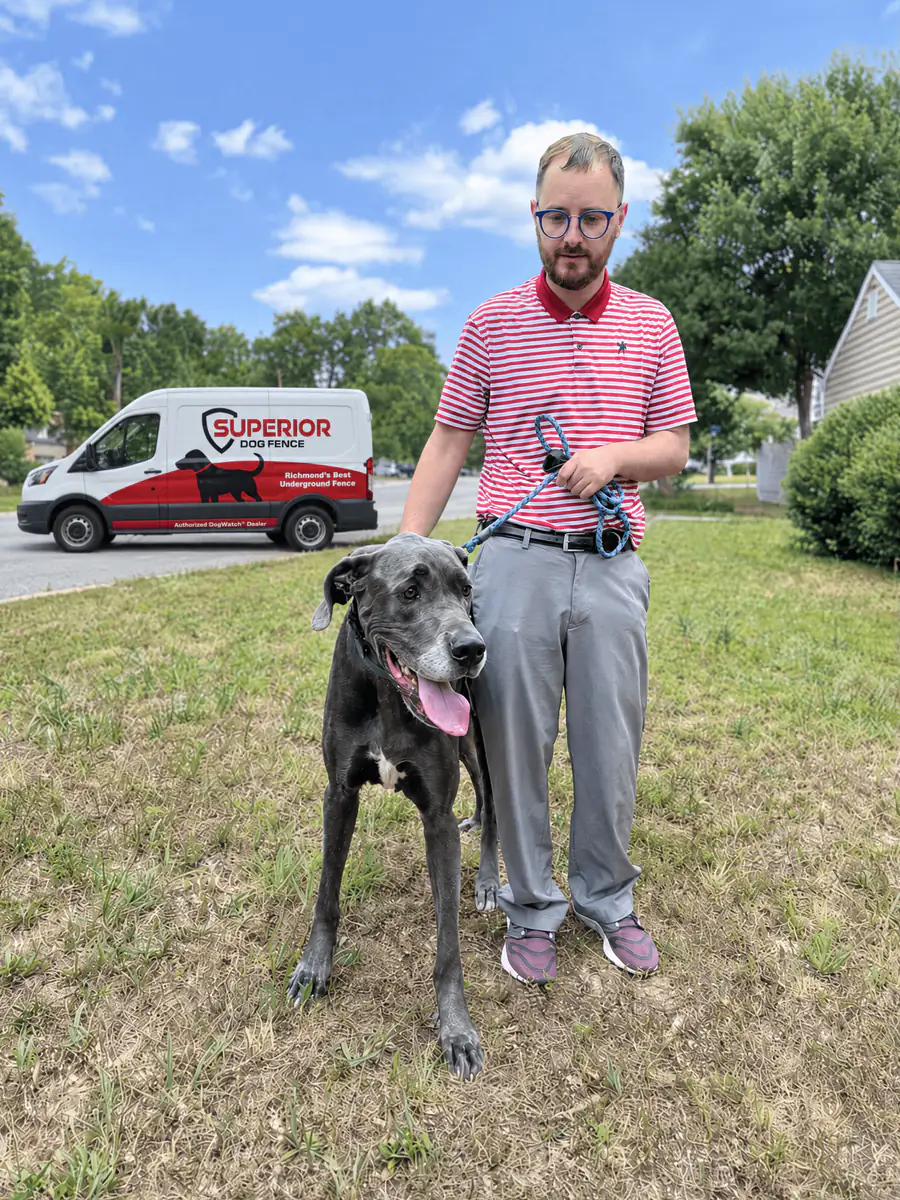
Tell us about your dog and we'll tell you straight.
Breed, weight, age, and the thing they do that worries you. If a boundary system suits them we'll say so, and if it doesn't we'll say that instead.